
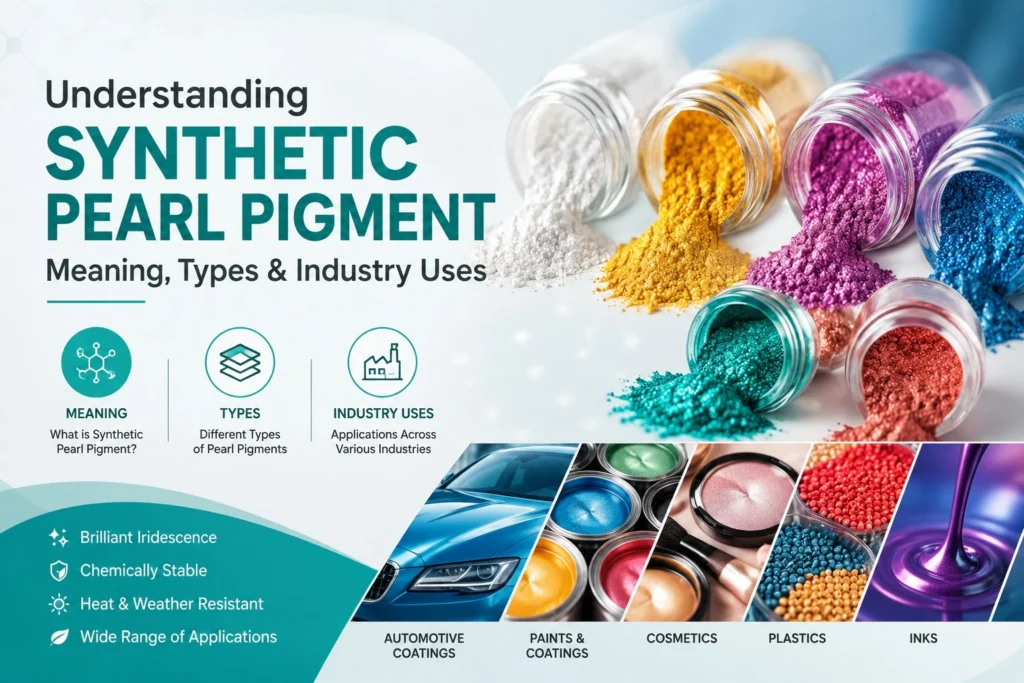
Why Synthetic Pearl Pigment Is the Preferred Choice for Modern Industries
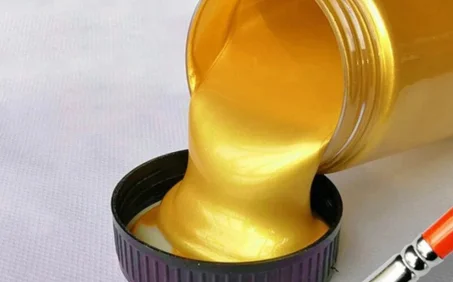
For the modern industries, it is required not only aesthetically appealing materials but durable and performance consistent materials as well. It can be solved by synthetic pearl pigments, which are premium effect pigments featuring high brilliance and excellent color and weather resistance.
They are widely used in premium paints for luxury automobiles, cosmetics, premium plastics, and artistic paintings. Being superior to the traditional mica pigments, the synthetic pearl pigments provide higher purity, brilliance, and color consistency.
In this article, we will introduce you into the world of synthetic pearl pigments and give the description of what they are, how they are made, different types, advantages, application areas, and factors to consider while selecting the right manufacturer.
What Is Synthetic Pearl Pigment?
Synthetic Pearl Pigment
Pearl pigment for synthetic pearls is an innovative effect pigment that utilizes the concept of coating synthetic mica with metal oxide compounds such as titanium oxide and iron oxide to develop the pearl effect along with purity and brightness enhancement relative to conventional natural mica pigment.
Unlike conventional color pigments that basically absorb and reflect light, pearl pigments give a shining appearance by reflecting and refracting light through the use of many transparent layers.
The optical characteristics enable pearl pigment to have:
- Elegant shimmer
- Metallic appearance
- Satin appearance
- Depth and dimension
- Color migration
These optical effects make pearl pigment highly useful for high-end applications.
Conclusion of Section
Optical effects produced by pearl pigment are exceptional as they are developed through the manipulation of the multi-layered structure instead of coloring effects.
How Synthetic Pearl Pigment Works
The brilliance comes from the very small plate like structures.
The structures consist of:
- Mica synthetic base
- Titanium dioxide layer
- Iron oxide (as an option)
- Specific tin oxide
When there is light falling on such thin layers:
- There will be reflections
- Light transmission
- Interference happens
- Human eye sees color effects.
This process is similar to iridescence of soap bubbles and butterfly wings
Synthetic Pearl Pigments Production Method
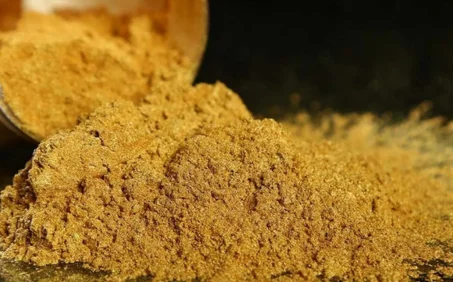
Although there might be slight differences in the production method according to each individual company, the following steps are involved during the process:
Step 1: Mica Synthesis
High purity synthetic mica is synthesized under controlled conditions such that the impurities found in natural mica are eliminated.
Step 2: Mica Surface Treatment
The surface of mica is treated, and its particles are classified according to size.
Step 3: Deposit of Metal Oxide Layer
A layer of titanium oxide or other metal oxides is deposited onto the surface of the mica.
The thickness of the coating affects the:
- Color
- Brightness
- Reflectivity
- Interference
Step 4: Calcination
Calcination of the coated particles to stabilize the coating.
Step 5: Grinding and Classification
The particles are produced in different sizes to be used in:
- Cosmetics
- Automobiles
- Plastics
- Printing inks
- Industrial Paints
Indian manufacturers of synthetic pearl pigments have automated their quality control processes.
Classification of Artificial Pearl Pigments
1. Silver White Pearl Pigments
The most commonly employed pigment type.
Application:
- Cosmetics
- Auto coatings
- Plastics
- Decorative pigments
2. Interference Pearl Pigments
They appear transparent until viewed from different angles.
Color options:
- Blue
- Green
- Gold
- Violet
- Red
3. Metallic Pearl Pigments
These are designed to mimic metallic effects.
Typically used for
- Car
- Packaging
- Electronics
4. Color Pearl Pigments
Produced with additional inorganic pigments.
Types of colors:
Color types include:
- Bronze
- Copper
- Champagne Gold
- Rose Gold
5. High Chroma Pearlescent Pigments
They offer very high intensity of color yet remain pearlescent.
Used in high-end cosmetics.
Benefits of Synthetic Pearl Pigment
Synthetic pearl pigments have many advantages over conventional pigments.
Greater Brightness
Brighter and purer than traditional substrates.
Greater Weatherability
Useful for outdoor applications.
Greatly Consistent Pigment Lot Production
Engineering process to remove any variations in color.
Greater Thermal Stability
Best for engineering plastics and powder coatings.
Environmentally-Friendly Options
Several companies provide environmentally-friendly products in today’s market.
Pro tip
Make sure that you select pigment grades according to process temperature and resin.
Synthetic Pearl Pigment Applications within the Industry
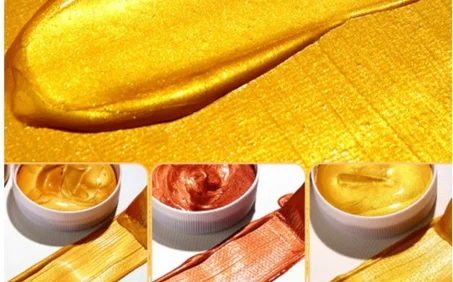
Automotive Sector
The synthetic pearl pigments are used in the automotive sector for making:
- Metallic paints
- Opulent paints
- Scratch-resistant paints
- Luxury car paints
These pigments make it possible to have deep visual effects without compromising their durability.
Cosmetics Industry
Pearl pigments are employed in cosmetic industry to create:
- Eyeshadows
- Lipsticks
- Nail polish
- Highlighters
- Foundation
The smooth shape of particles makes them soft and shiny.
Plastics Manufacturing
Pearl pigments are utilized in plastics manufacturing to produce:
- Household products
- Electronics
- Packaging
- Toys
- Luxury packaging
These pigments are capable of withstanding high temperatures during manufacturing without changing the color too much.
Art & Craft
The following fields can employ pearl pigments:
- Resin art
- Acrylic paints
- Epoxy flooring
- Decorative coatings
- DIY crafts
Thanks to their shimmering effect, they add more depth to your painting.
Food Industry
Specifically manufactured grades of pearlescent pigments which meet the food safety requirements of the country can be employed in decorative applications, including food decoration.
Printing Ink Industry
Used in:
- Security prints
- Labels
- Packaging
- Greeting cards
Example in real life
A high-end makeup compact with synthetic pearl pigments will look brighter and more radiant compared to cosmetics containing ordinary mineral pigments.
Section conclusion
Synthetic pearl pigments provide aesthetic value and perform well under various conditions.
How to Choose the Right Synthetic Pearl Pigment Supplier
Here are the aspects that should be considered when choosing a synthetic mica pearl pigment manufacturer:
- Product uniformity
- Production capability
- Technical support
- Particle size
- Compliance
- Experience in application
- Export experience
- Quality certification
In case you are buying from overseas, make sure that your chosen company has a proven track record as an exporter of synthetic pearlescent pigments from India.
For customers looking for artificial pearl pigment powder manufacturing capabilities, inquire about customizing the product and color matching.
The increasing demand for high-quality paints, cosmetics, and environmentally friendly substances keeps on propelling the growth of the market for synthetic pearl pigments.
Current trends are:
- Cleaner manufacturing methods
- High-performance effect pigments
- Higher demand for synthetic mica
- Luxury packaging expansion
- Increasing demand for coatings in electric vehicles
- Color-changing and interference pigments
As per industry market reports published by leading organizations including Grand View Research and Fortune Business Insights, the global market for effect pigments is expected to witness consistent growth in the upcoming years, fueled by its application in the automobile, cosmetics, plastic, and packaging sectors.
Frequently Asked Questions
1. What is synthetic pearl pigment?
Synthetic pearl pigment refers to the effect pigment obtained through coating of synthetic mica with metal oxides that provide a wide range of metallic, shimmering or pearlescent optical effects.
2. Why is synthetic mica used in manufacturing?
It allows obtaining much more pure, bright and consistent product in comparison with natural mica.
3. Is synthetic pearl pigment used in cosmetics?
There is plenty of cosmetic grade synthetic pearl pigment available on the market.
4. Is synthetic pearl pigment heat resistant?
Yes. There are special types of grades designed for plastics, powder coatings and high temperature processes.
5. Which industries use synthetic pearl pigment?
The major industries using such pigment include:
automotive industry
- cosmetics
- plastics
- printing inks
- paints and coatings
- art and crafts
- decorative food products
6. How to choose the correct particle size?
Smaller particles result in smooth, satin finishes, while larger sizes create a more sparkly and glitter effect.
7. Is synthetic pearl pigment environment-friendly?
Many producers have started sustainably manufacturing synthetic mica pigments. Sustainability depends on the process used by the manufacturer.
Conclusion
Even as demands for premium quality and performance continue to be made on the industry, it continues to rank among the most versatile and valuable effect pigments. With its high brightness, durability, purity, and optical performance, it is an ideal effect pigment in automotive coatings, cosmetics, plastics, print, and art materials.
Whether you need the pigment from an India-based manufacturer of synthetic pearl pigment, require a supplier of synthetic mica pearl pigment, or seek an exporter of synthetic pearlescent pigment from India, working with a quality-oriented manufacturer would be of immense value in terms of better performance and higher customer satisfaction.
Are you searching for premium synthetic pearl pigments for your industry?
Get in touch with an experienced manufacturer who can offer you consistency in quality, expert technology, custom formulations, and export services.